
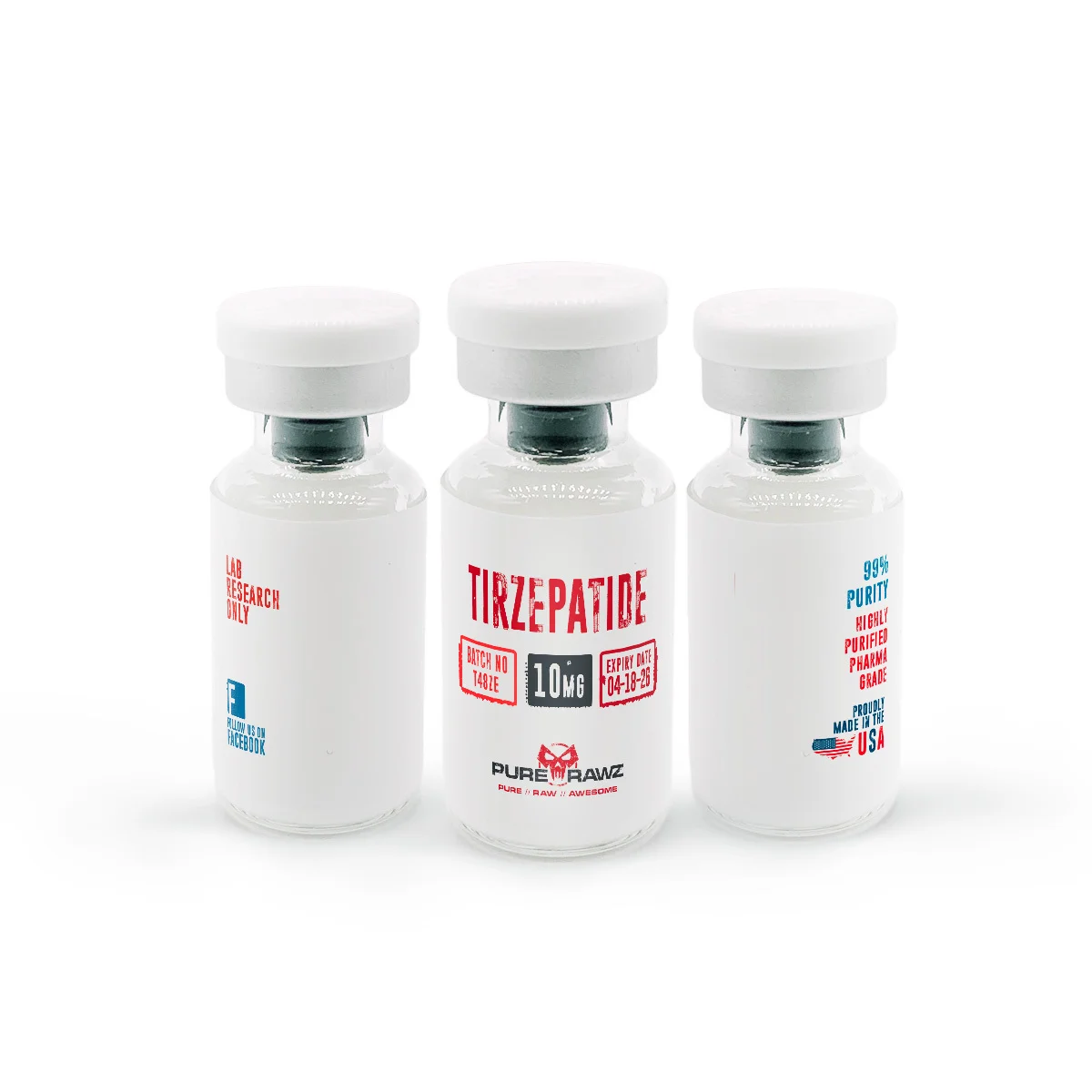
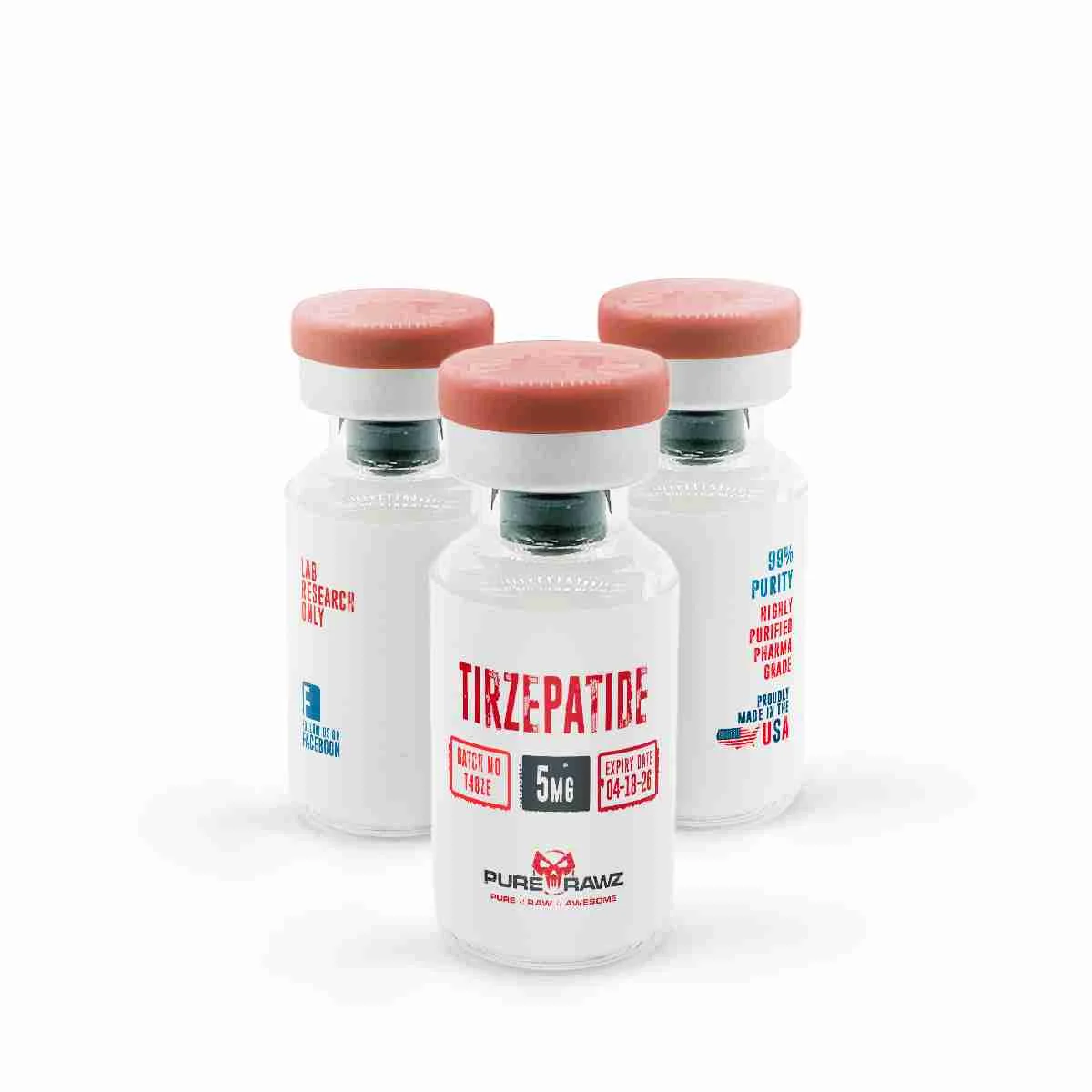
GLP-1.2
Price range: AUD191 through AUD626
 20 sold in last 13 hours
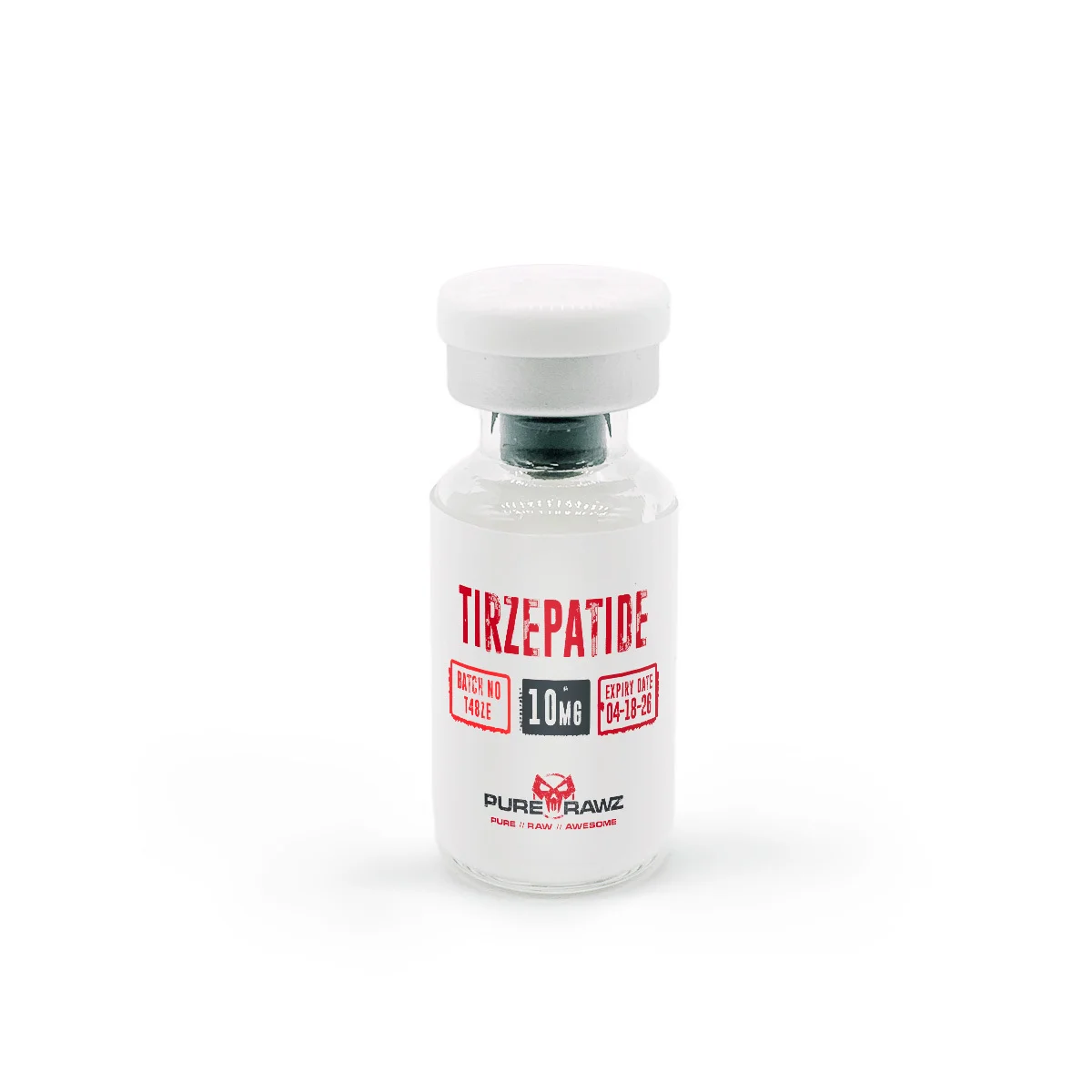
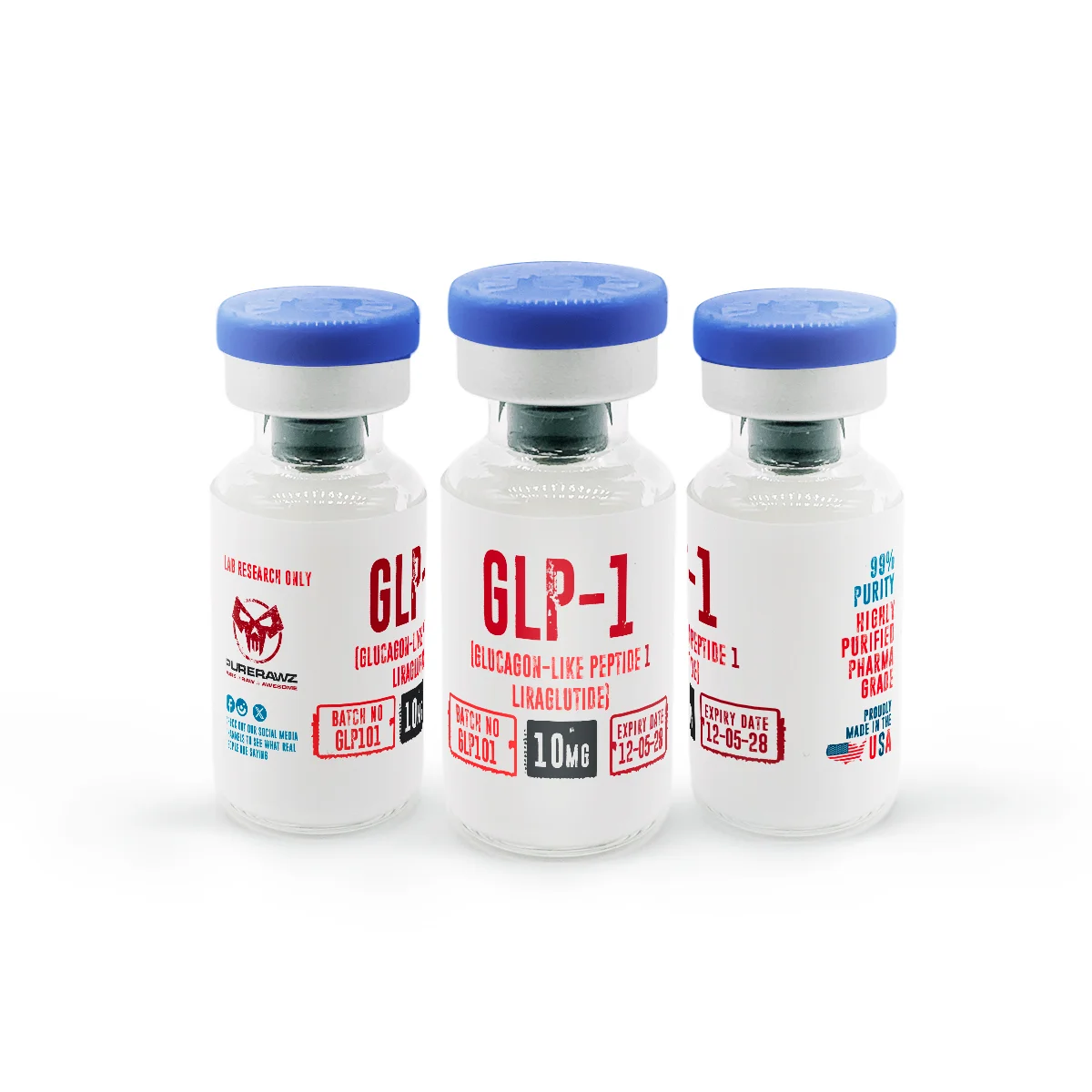
GLP-1.2 is a glucagon-like peptide-1 (GLP-1) receptor agonist analogue supplied as a research peptide for laboratory investigation only. It belongs to the incretin-mimetic class of compounds examined within metabolic and endocrine research models, and it is not an approved therapeutic good in Australia. This listing is intended solely for qualified researchers requiring a well-characterised reference peptide for in-vitro and preclinical study.
Research Background
GLP-1 receptor agonists are studied in laboratory settings for their interaction with the GLP-1 receptor, a class B G-protein-coupled receptor central to incretin signalling. The scientific literature has investigated this pathway in relation to glucose-dependent insulinotropic mechanisms, gastric motility signalling, and central appetite-regulating circuits within controlled preclinical systems. The GLP-1 receptor is expressed across pancreatic islet cells and a range of extrapancreatic tissues, which has made it a focus of comparative receptor-distribution research.
GLP-1.2 has been used as a reference analogue in comparative receptor-binding and signal-transduction studies. Investigations typically focus on cyclic AMP accumulation, beta-arrestin recruitment, receptor internalisation kinetics, and downstream beta-cell signalling in isolated cell systems. Researchers exploring structure-activity relationships within the incretin class often reference such analogues to characterise how sequence modifications influence receptor affinity, functional selectivity, and analogue stability, providing a structural basis for understanding incretin pharmacology without reference to human administration. Comparative work in this area frequently sets one analogue against another to map how incremental sequence changes shift potency and receptor kinetics, and GLP-1.2 has served as a useful anchor point in such reference panels. This positions it as a practical reagent for method development, assay validation, and reproducibility checks within metabolic research programmes.
GLP-1.2 Specifications & Handling
- Purity: ≥99% as determined by analytical testing
- Verification: independent third-party HPLC and mass spectrometry, with a batch-specific Certificate of Analysis (COA) available for laboratory records
- Physical form: lyophilised white powder
- Storage: store the lyophilised peptide at -20°C, kept desiccated and protected from light and moisture to support long-term stability
- Reconstitution: reconstitute in bacteriostatic or sterile water for laboratory handling; once reconstituted, store the solution refrigerated at 2-8°C and use it within the working window generally recommended for peptide stability
- Handling: intended for use by qualified laboratory personnel using appropriate personal protective equipment in a suitable controlled environment
- Documentation: batch COA supplied on request to support internal verification and traceability records
Related Research Compounds
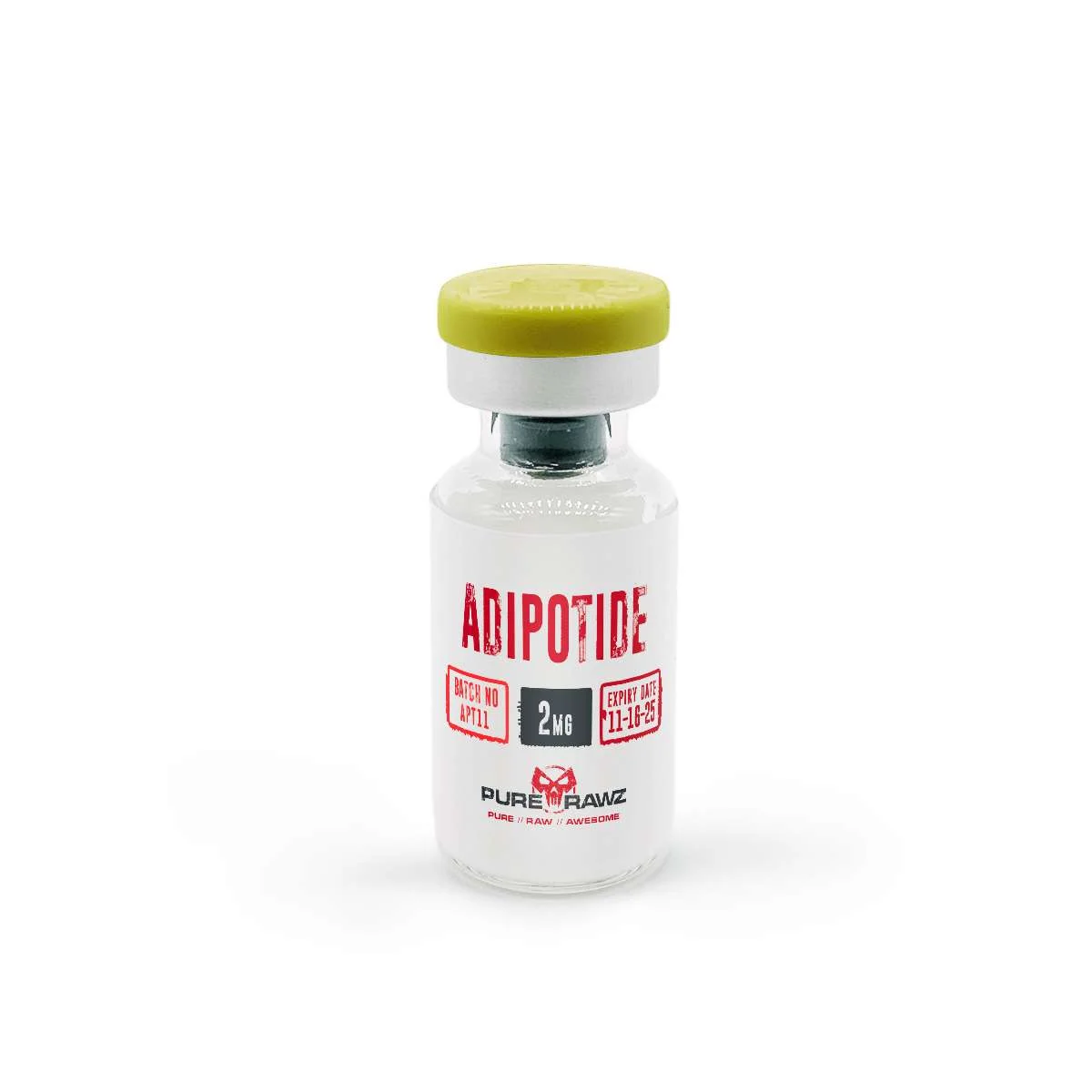
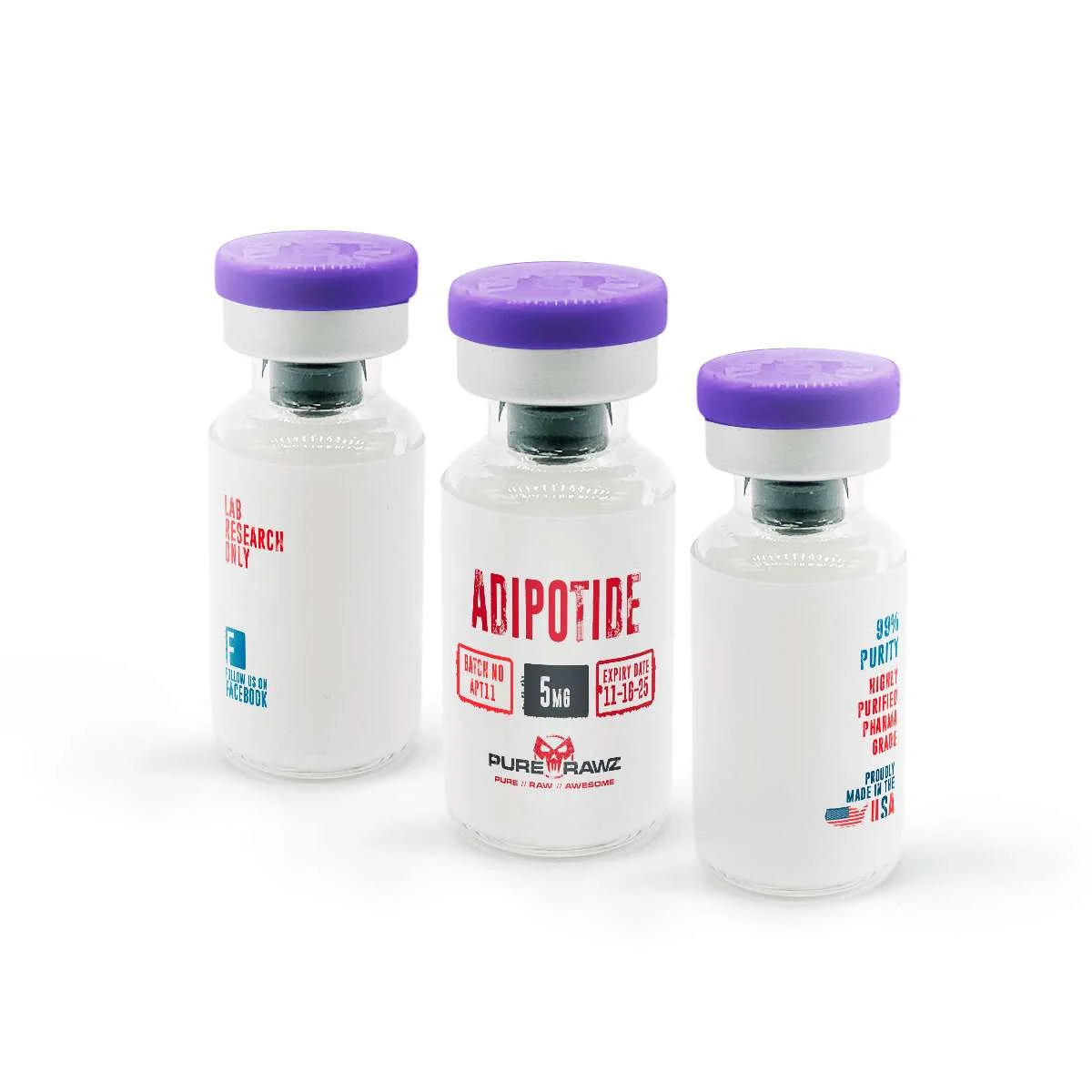
Researchers comparing incretin-class analogues may also wish to reference GLP-1 and Mazdutide, or explore dual and triple agonist candidates such as LY3437943, each of which is studied within overlapping metabolic-signalling frameworks. Browse the full range of GLP-1 peptides for additional reference materials and comparison compounds.
All peptides listed are supplied strictly for in-vitro and laboratory research use only. They are not intended for human or veterinary use, diagnosis, treatment, or any therapeutic application. As SARMs and these peptides are not approved therapeutic goods, researchers are responsible for ensuring full compliance with applicable Australian law and Therapeutic Goods Administration (TGA) regulations governing the possession, storage, and handling of research chemicals.
Frequently Asked Questions
What is the legal and research-use status of GLP-1.2 in Australia?
GLP-1.2 is supplied strictly for laboratory research use only and is not an approved therapeutic good. It is not for human or veterinary use, and researchers are responsible for compliance with Australian law and TGA regulations.
How is the purity of GLP-1.2 verified?
Each batch is assessed by independent third-party HPLC and mass spectrometry, with a batch-specific Certificate of Analysis available for laboratory records.
How should GLP-1.2 be stored in a laboratory setting?
The lyophilised powder should be kept at -20°C, desiccated and protected from light. Once reconstituted, store refrigerated at 2-8°C and use within the stability window generally recommended for research peptides.
For laboratory and research use only. This product is not for human or veterinary consumption, and nothing on this page is medical advice. Researchers are responsible for compliance with all applicable Australian laws (including TGA regulations) and institutional guidelines.
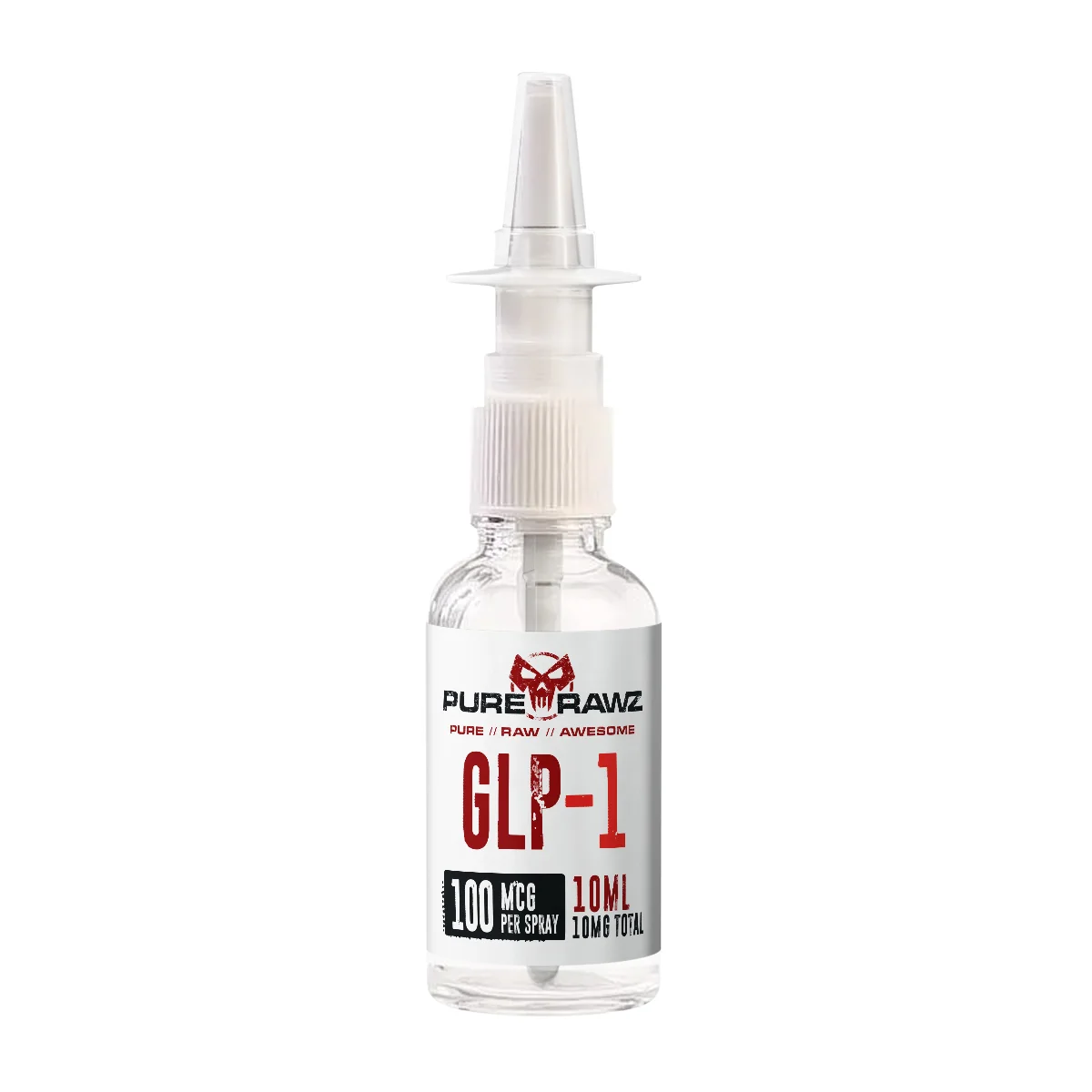
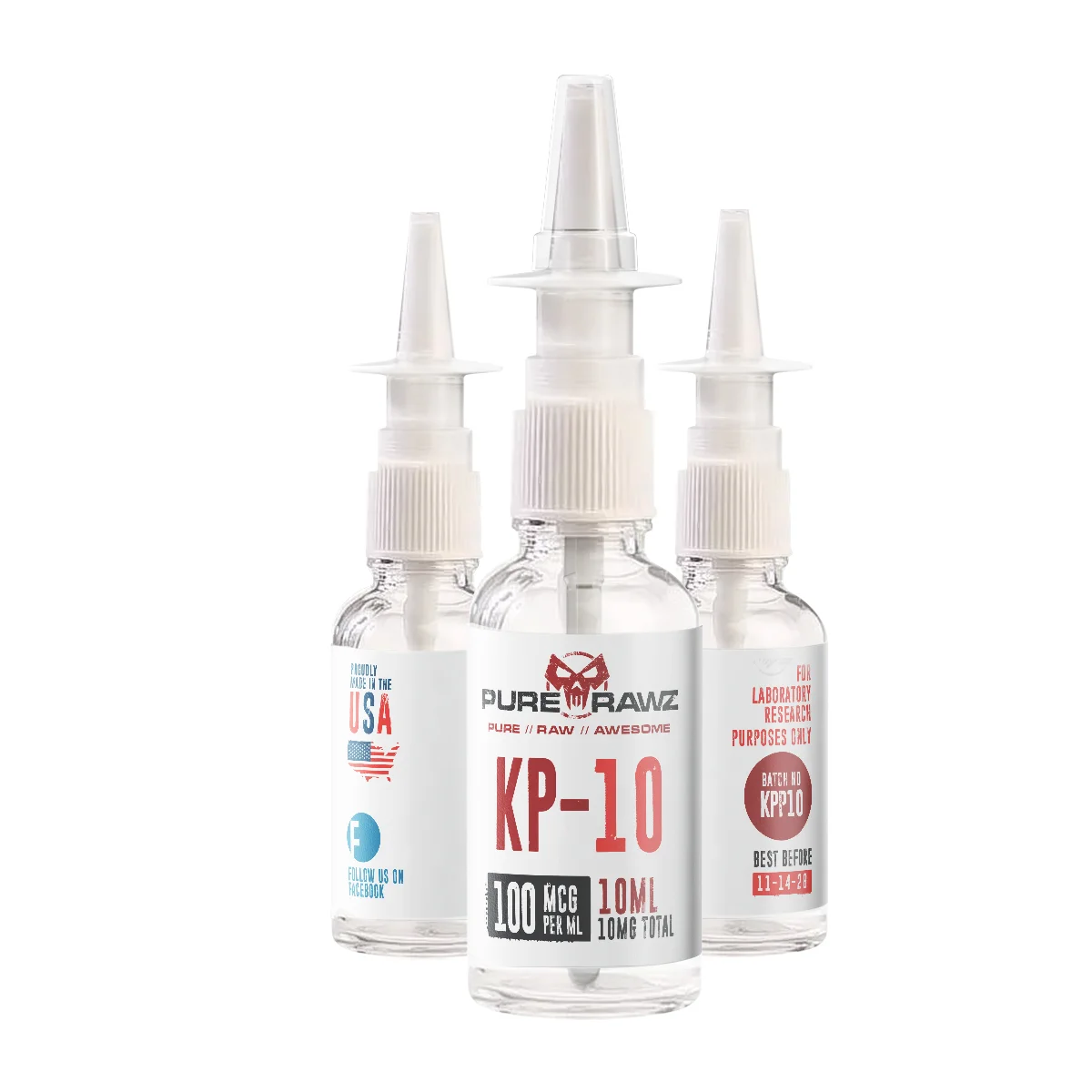
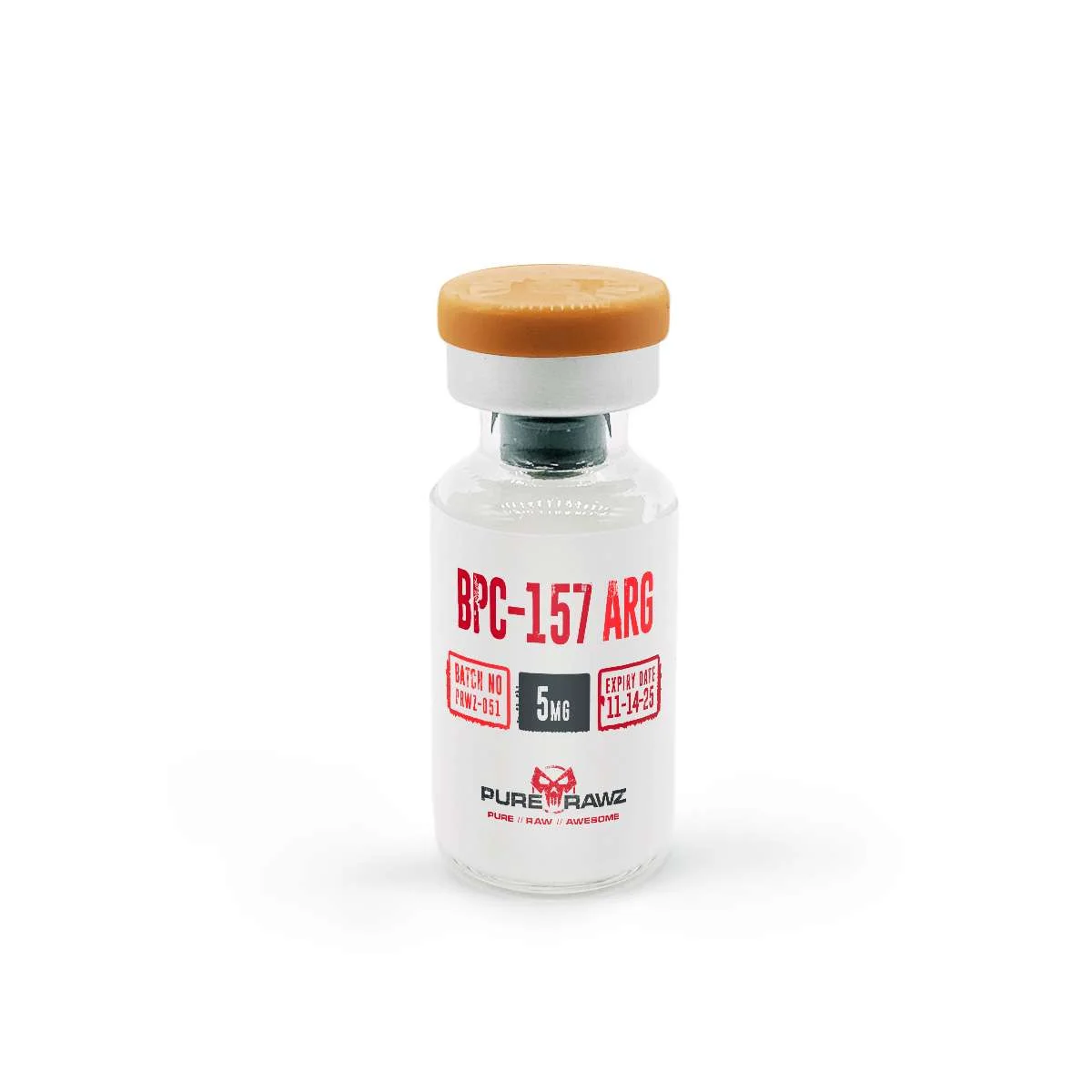
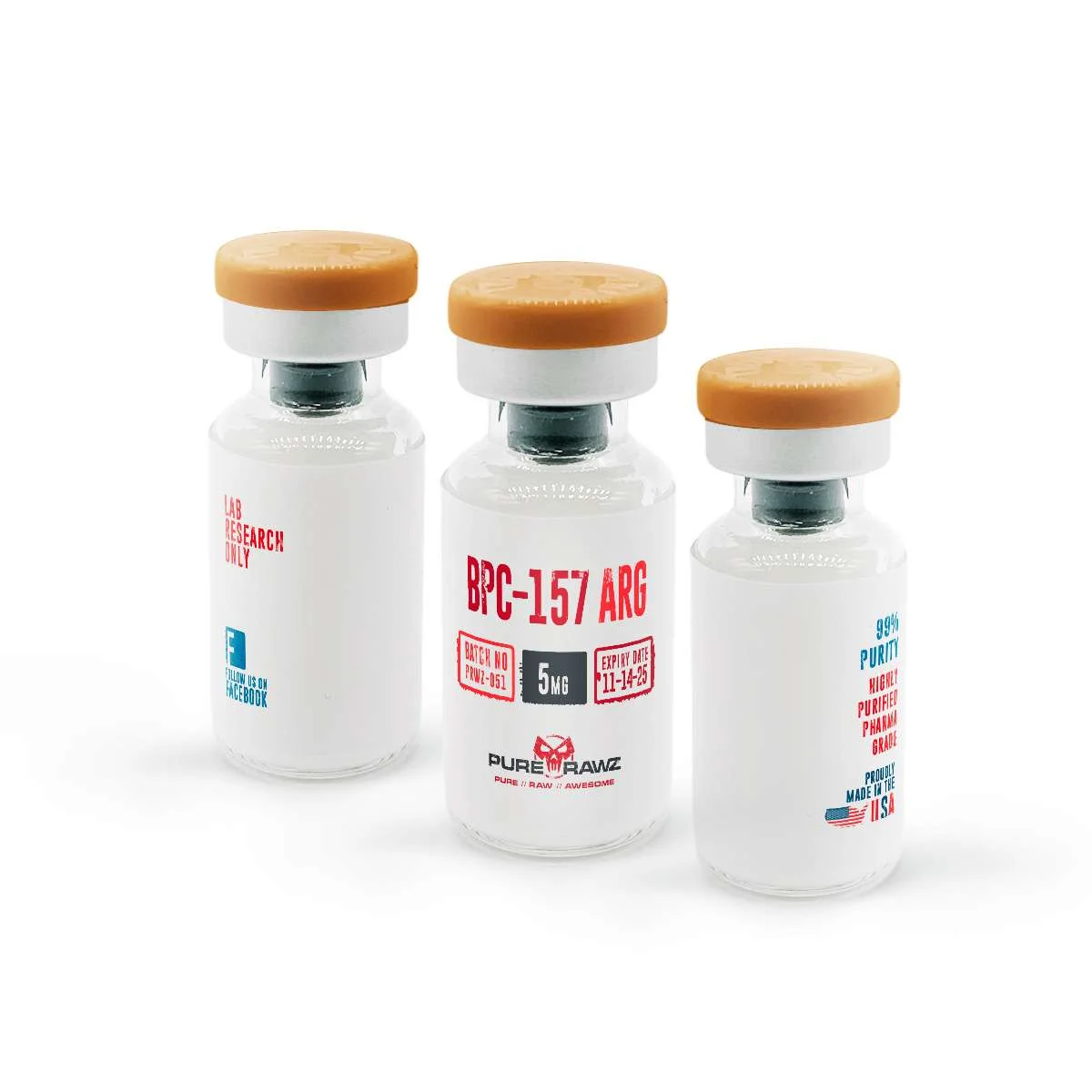
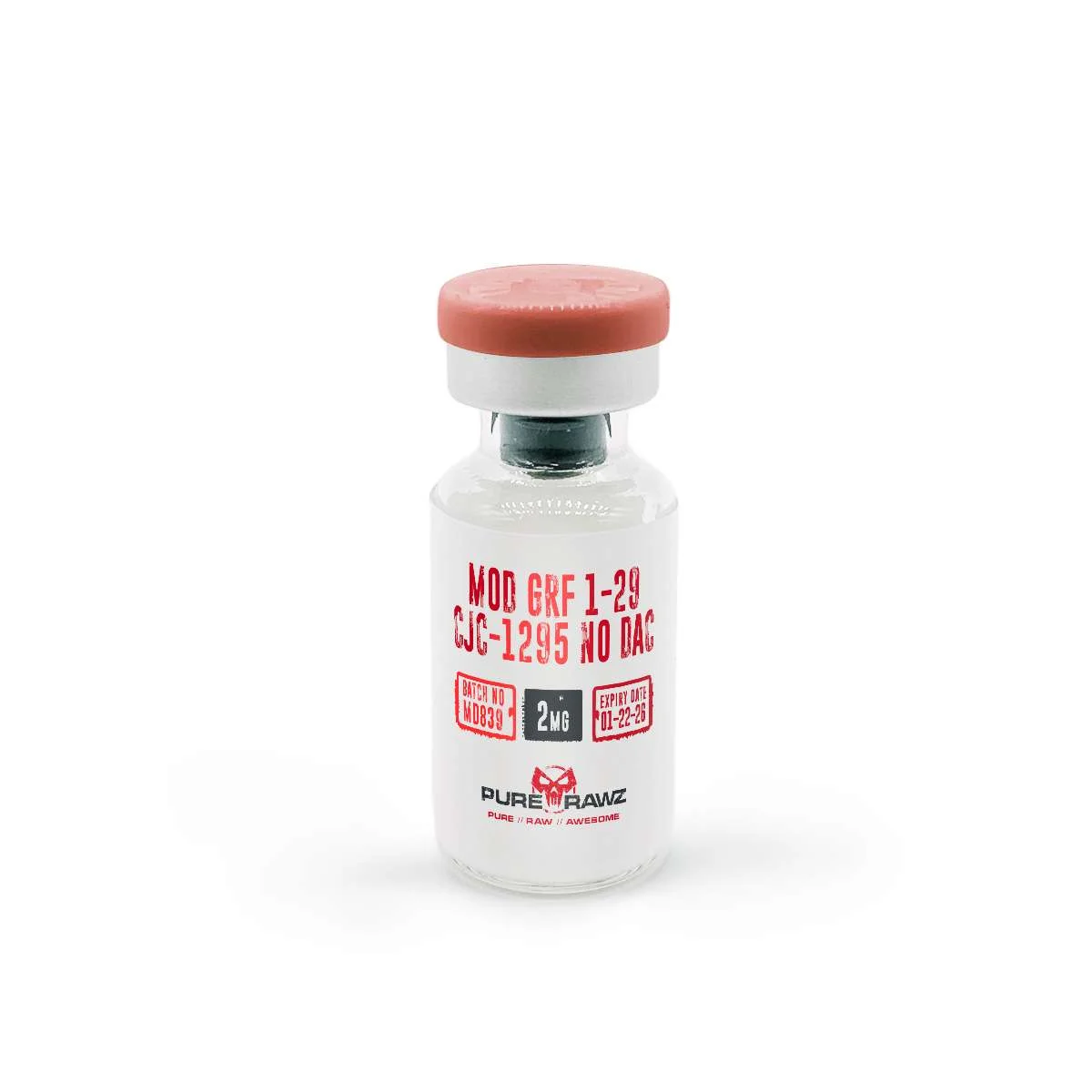
| Form | Peptide, Nasal Spray, Sublingual Tablets |
|---|---|
| Strength | 5mg, 10mg, 60mg, 100mcg per spray/10ml/10mg, 200mcg per spray/10ml/20mg, 350mcg per tablet/30ct/10.5mg, 350mcg per tablet/60ct/21mg |
Reviews
There are no reviews yet.