
Deslorelin
AUD115
 1 sold in last 8 hours
Buy Deslorelin online | Deslorelin for sale
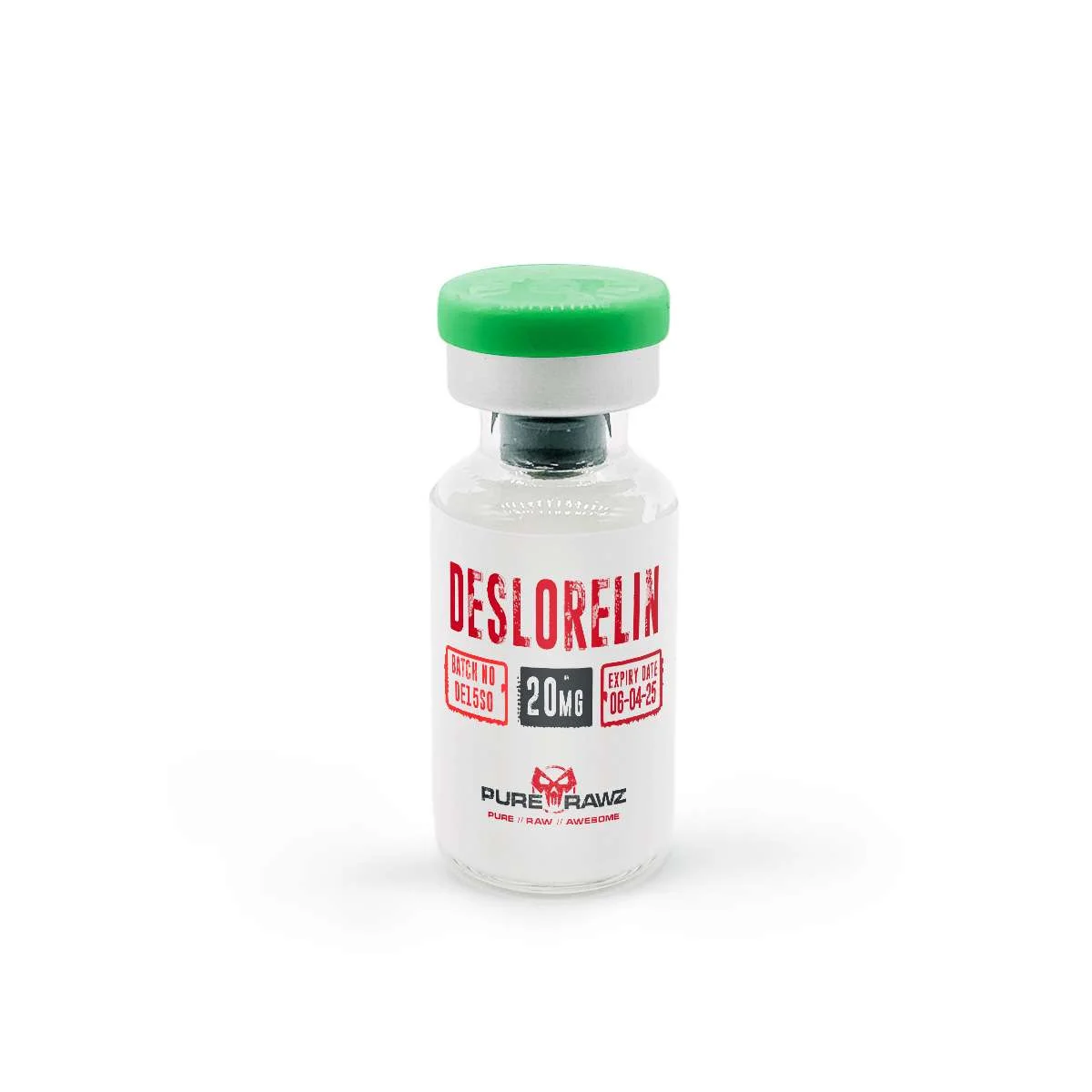
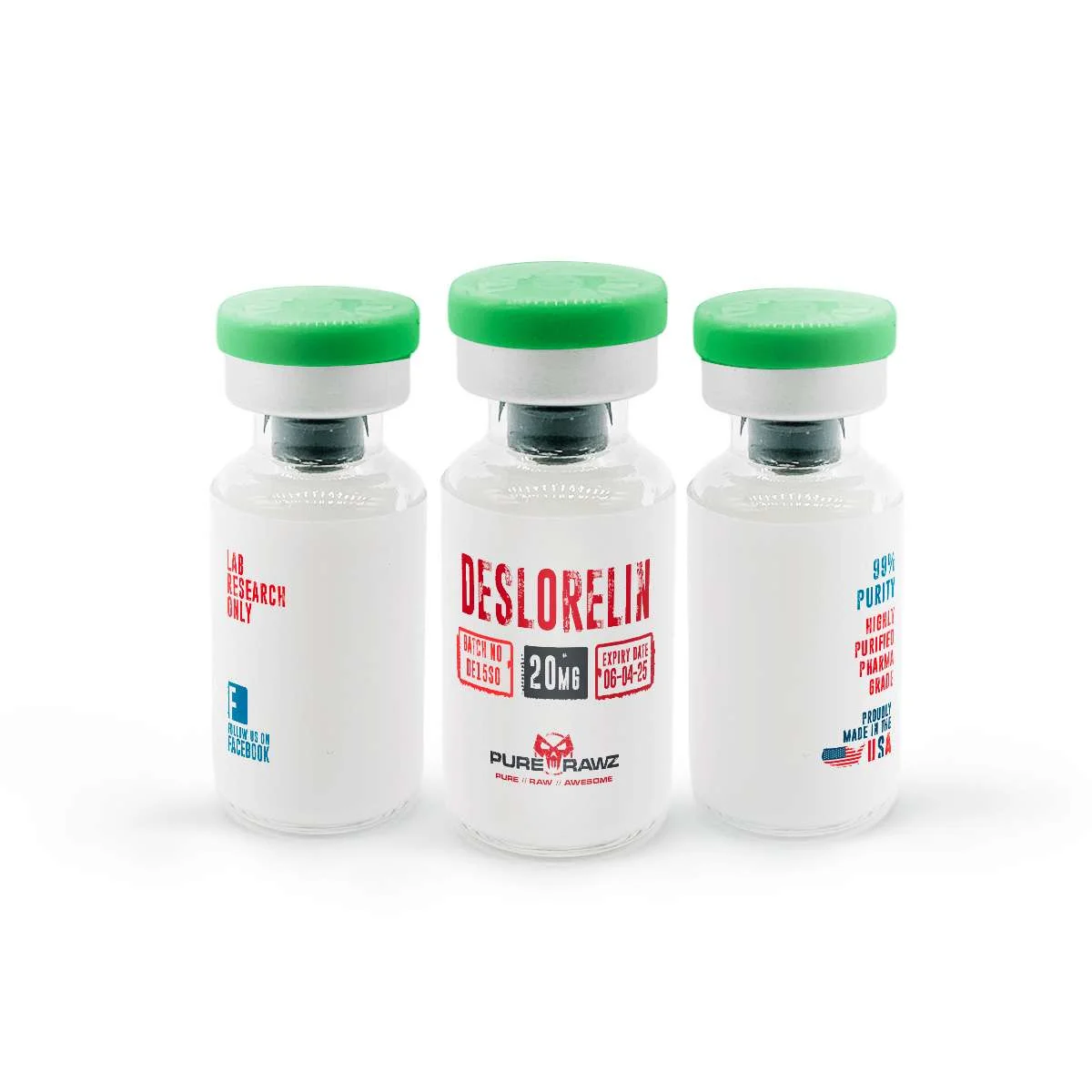
Deslorelin is a synthetic peptide analog derived from gonadotropin‑releasing hormone (GnRH), a regulatory neuropeptide involved in endocrine signaling pathways. Deslorelin is structurally altered compared to typical GnRH, featuring changes that improve receptor binding affinity and metabolic stability in experimental contexts. Because of these modifications, deslorelin is widely examined in molecular endocrinology and receptor signaling research.
Deslorelin is classified as an investigational research compound and is supplied strictly for laboratory research applications.
Chemical and Molecular Properties
| Deslorelin | |
| PubChem CID | 25077495 |
| Molecular Formula | C64H83N17O12 |
| Molecular Weight | 1282.4 g/mol |
| Synonyms | D-Trp LHRH-PEA Deslorelina Desloreline |
| IUPAC | (2S)-N-[(2S)-1-[[(2S)-1-[[(2S)-1-[[(2S)-1-[[(2R)-1-[[(2S)-1-[[(2S)-5-(diaminomethylideneamino)-1-[(2S)-2-(ethylcarbamoyl)pyrrolidin-1-yl]-1-oxopentan-2-yl]amino]-4-methyl-1-oxopentan-2-yl]amino]-3-(1H-indol-3-yl)-1-oxopropan-2-yl]amino]-3-(4-hydroxyphenyl)-1-oxopropan-2-yl]amino]-3-hydroxy-1-oxopropan-2-yl]amino]-3-(1H-indol-3-yl)-1-oxopropan-2-yl]amino]-3-(1H-imidazol-5-yl)-1-oxopropan-2-yl]-5-oxopyrrolidine-2-carboxamide |
| CAS | 57773-65-6 |
| Labeling | Research Use Only (RUO), not for human or animal consumption. |
| Chemical Structure Depiction |  |
| Purity | ≥98% |
| Classification | Research Use Only (RUO) |
| Storage Temperature | Store at −20 °C in a dry, light-protected environment |
| Solubility | Soluble in research‑grade aqueous buffers or DMSO |
| Safety | Use gloves, lab coat, and eye protection; handle in fume hood if dust/aerosol is possible |
Deslorelin Mechanism
GnRH Receptor Interaction
Deslorelin functions as a high‑affinity agonist of the gonadotropin‑releasing hormone receptor (GnRHR), a member of the G protein‑coupled receptor (GPCR) family. In experimental cellular systems, binding of deslorelin to GnRHR initiates receptor conformational changes that activate intracellular signaling pathways mediated by G proteins. These interactions are typically examined in receptor‑binding assays and cultured cell models to evaluate ligand‑receptor dynamics and signaling kinetics.
Activation of Phospholipase C Signaling
Upon receptor activation, GnRHR signaling has been shown in in vitro studies to stimulate phospholipase C (PLC) activity. PLC catalyzes the hydrolysis of phosphatidylinositol 4,5-bisphosphate (PIP2), producing intracellular second messengers such as inositol trisphosphate (IP3) and diacylglycerol (DAG). These signaling molecules participate in downstream regulatory processes, including intracellular calcium mobilization and protein kinase C activation.
Receptor Desensitization and Signal Modulation
Deslorelin and other synthetic GnRH analogs have been studied for receptor desensitization in test subjects. Internalization, or regulatory feedback loops, can change receptor signaling efficiency with continuous stimulation. These processes are examined in preclinical and molecular research models to understand the dynamics of GPCR signaling regulation.
Gene Expression and Cellular Signaling Pathways
Research models have also explored how GnRH receptor activation influences transcriptional regulatory pathways. In vitro studies demonstrate that GnRH agonists may activate signaling networks involving mitogen-activated protein kinases (MAPK) and other intracellular regulatory proteins. These molecular pathways are analyzed to understand the broader cellular responses associated with peptide‑receptor signaling.
Research Applications of Deslorelin
Deslorelin is utilized in laboratory environments as a research tool for investigating endocrine signaling mechanisms and peptide receptor pharmacology. In experimental settings, it has been examined in studies involving:
- GnRH receptor binding and activation assays
- G protein‑coupled receptor signaling pathways
- Intracellular second messenger systems such as IP3 and DAG
- Regulatory feedback mechanisms in endocrine signaling networks
- Cellular signaling pathways involving MAPK and protein kinase activation
Because of its enhanced receptor affinity and stability compared with native GnRH, deslorelin provides a useful molecular probe for experimental models investigating neuroendocrine communication and receptor pharmacology.
Why Choose Purerawz for Deslorelin?
Buy Deslorelin for laboratory research use from our online shop. At Purerawz, we provide high-quality reference materials. Each research compound comes with a Certificate of Analysis for verification of purity and concentration.
Note:
Deslorelin is an investigational compound currently undergoing clinical evaluation and has not been established as safe or effective for any therapeutic use
Disclaimer
This information is for educational purposes only and not medical advice. Products are for research use only. Research must follow IRB or IACUC guidelines. Verify information independently before purchasing. By ordering, you agree to our Terms and Conditions.
ATTENTION: All our products are for LABORATORY AND RESEARCH PURPOSES ONLY, not for veterinary or human use
Frequently Asked Questions
What is Deslorelin?
Deslorelin is a synthetic peptide analogue of gonadotropin-releasing hormone (GnRH) that has been studied in reproductive endocrinology research. This product is supplied for laboratory research use only and is not for human or veterinary use.
Is Deslorelin legal or approved in Australia?
Deslorelin is not an approved therapeutic good for the purposes offered here and is supplied strictly for laboratory research use only. The researcher is responsible for ensuring compliance with all applicable TGA regulations and Australian laws.
How is Deslorelin tested?
Deslorelin is analysed by independent third-party laboratories using HPLC and mass spectrometry to confirm identity and a purity of 99% or higher. A batch-specific Certificate of Analysis (COA) is available for reference.
How should Deslorelin be stored in a research setting?
Lyophilised Deslorelin is generally stored frozen and protected from light and moisture to help maintain peptide stability. Any reconstituted material for research is typically kept refrigerated as indicated in the batch documentation.
For laboratory and research use only. This product is not for human or veterinary consumption, and nothing on this page is medical advice. Researchers are responsible for compliance with all applicable Australian laws (including TGA regulations) and institutional guidelines.
| Strength | 20mg |
|---|
Reviews
There are no reviews yet.