
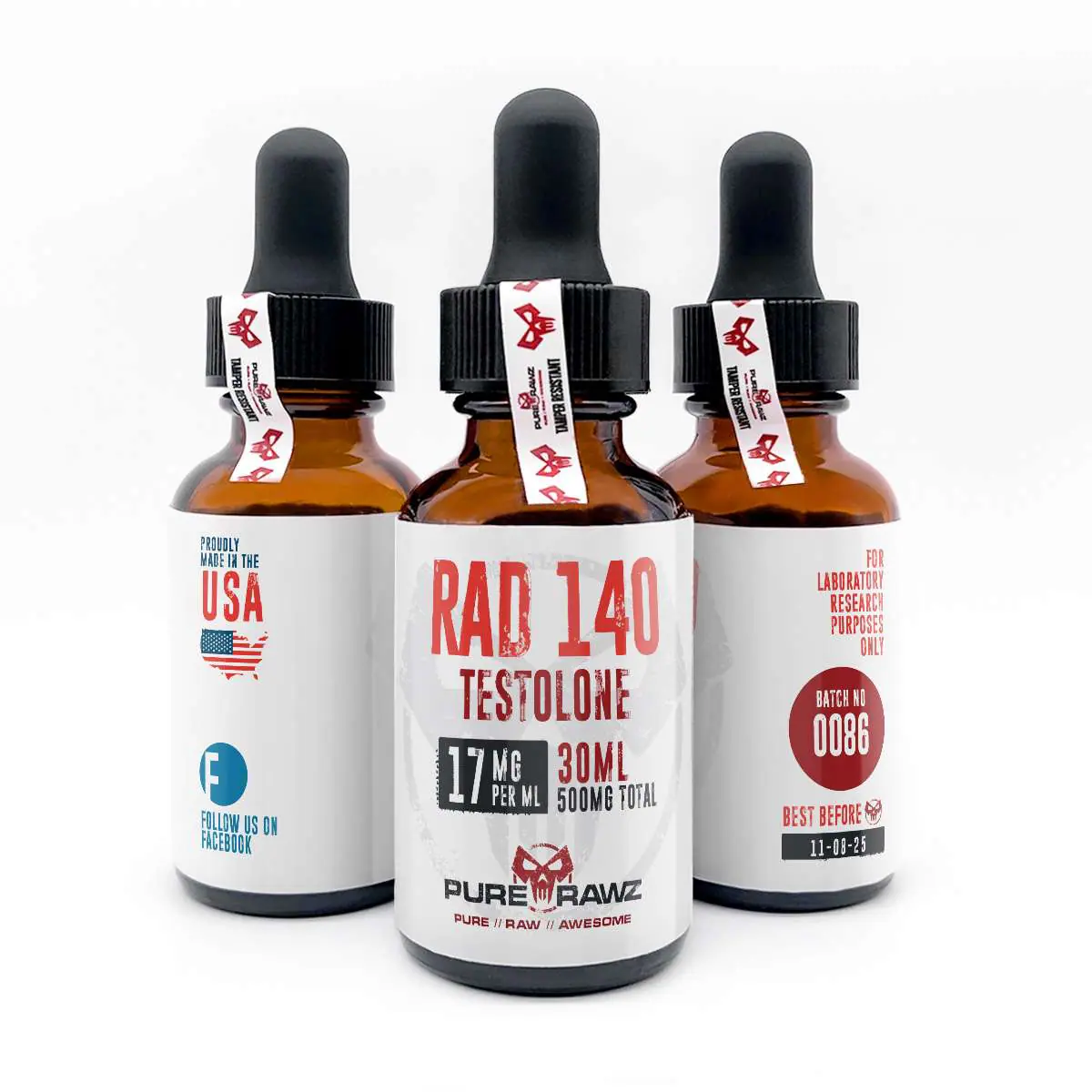
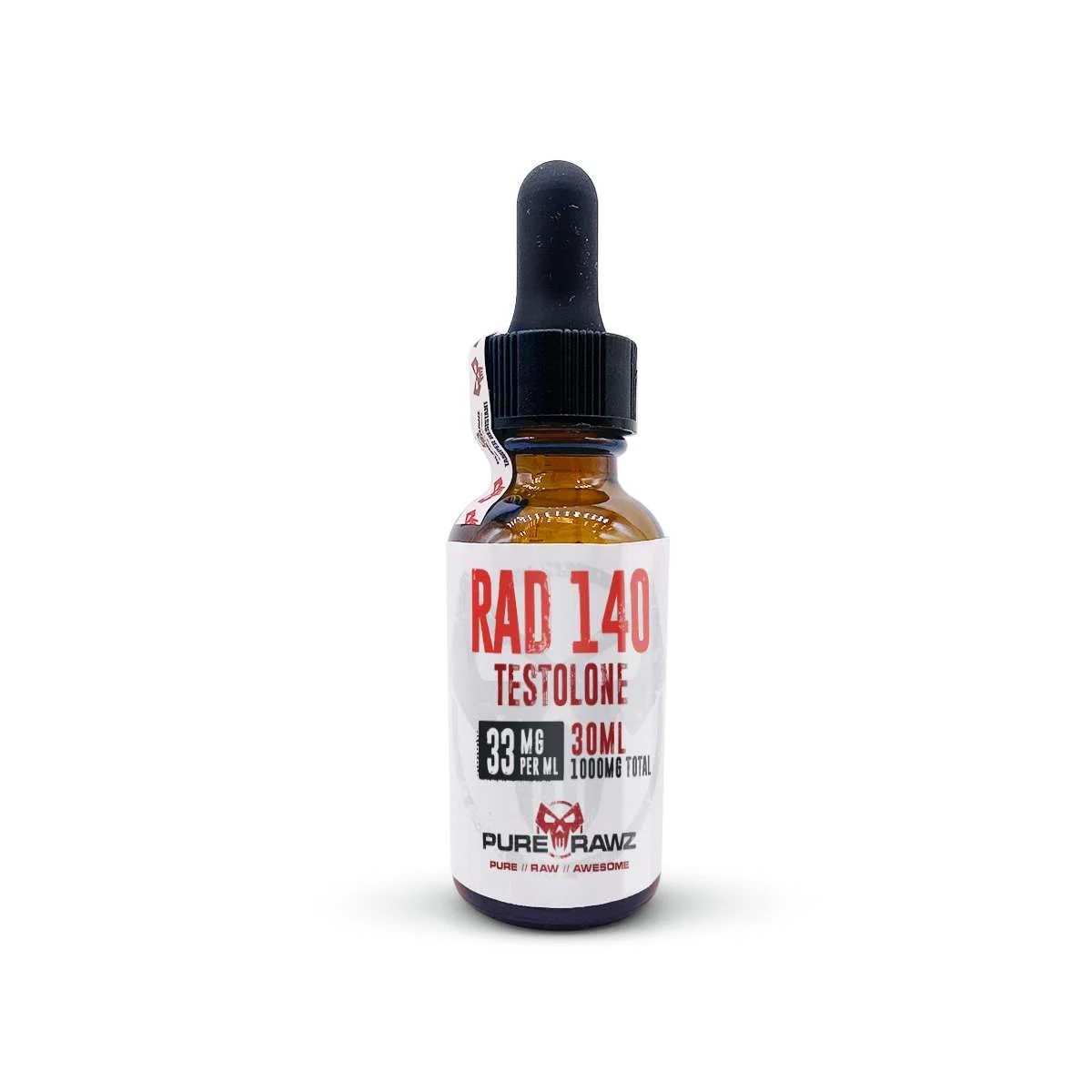
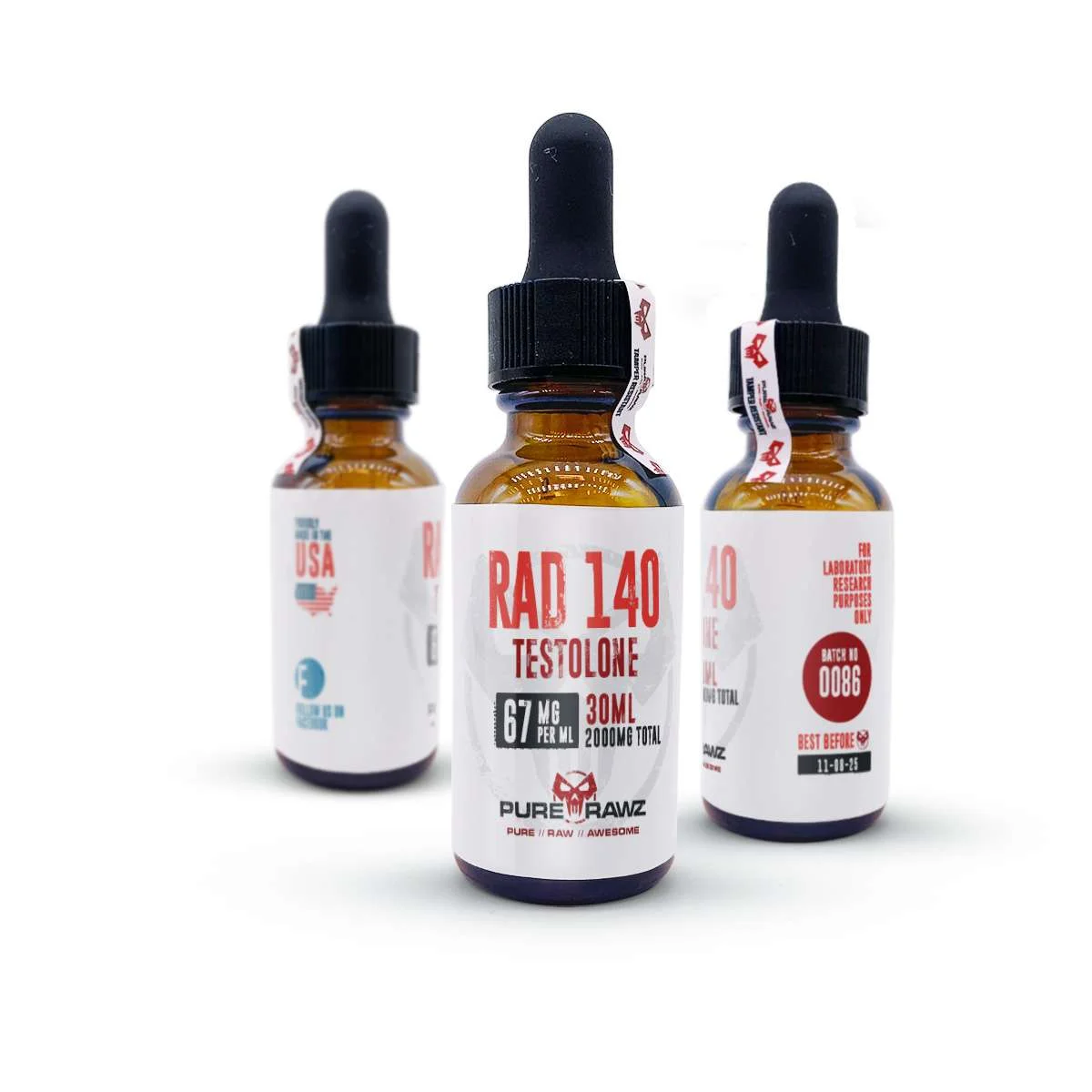
RAD 140 (Testolone)
Price range: AUD36 through AUD185
 15 sold in last 17 hours
RAD-140 (Testolone) is a non-steroidal research compound investigated within the selective androgen receptor modulator (SARM) class. It is supplied strictly for laboratory research use only and is not intended for human or veterinary use. This listing is provided solely for qualified researchers requiring a well-characterised reference material for in-vitro and preclinical study.
Research Background
RAD-140 is a widely cited reference compound in laboratory research on androgen receptor selectivity. Investigations have examined its potent, tissue-selective interaction with the androgen receptor and the structure-activity relationships that characterise non-steroidal receptor ligands within controlled preclinical models. Its distinct molecular scaffold has made it a recurring subject in studies exploring how non-steroidal chemistry can achieve selective receptor engagement.
In-vitro and preclinical studies of RAD-140 commonly focus on receptor-binding affinity, transcriptional activation assays using reporter-gene constructs, and comparative selectivity profiling relative to other members of the SARM class. Researchers reference it in structure-comparison and receptor-engagement work to understand how specific structural motifs influence binding kinetics, functional selectivity, and the distribution of activity across androgen-responsive systems under laboratory conditions. Particular interest has been directed at how ligand orientation within the receptor ligand-binding domain shapes coactivator recruitment and the transcriptional output measured in cell-based reporter systems. Given its prominence in the literature, RAD-140 is commonly incorporated into reference panels that let researchers benchmark assay sensitivity and validate reproducibility across related non-steroidal ligands. This well-characterised profile makes it a dependable reagent for method development and comparative receptor-profiling work within androgen-signalling research programmes.
RAD-140 (Testolone) Specifications & Handling
- Purity: ≥99% as determined by analytical testing
- Verification: independent third-party HPLC and mass spectrometry, with a batch-specific Certificate of Analysis (COA) available for laboratory records
- Physical form: supplied as a laboratory-grade solution or fine powder depending on batch presentation
- Storage: store in a cool, dark environment; refrigerate solutions and protect from light and heat to preserve stability throughout the research period
- Handling: keep containers tightly sealed and handle using appropriate personal protective equipment in a suitable laboratory environment
- Documentation: batch COA available on request to support internal verification and traceability records
Related Research Compounds
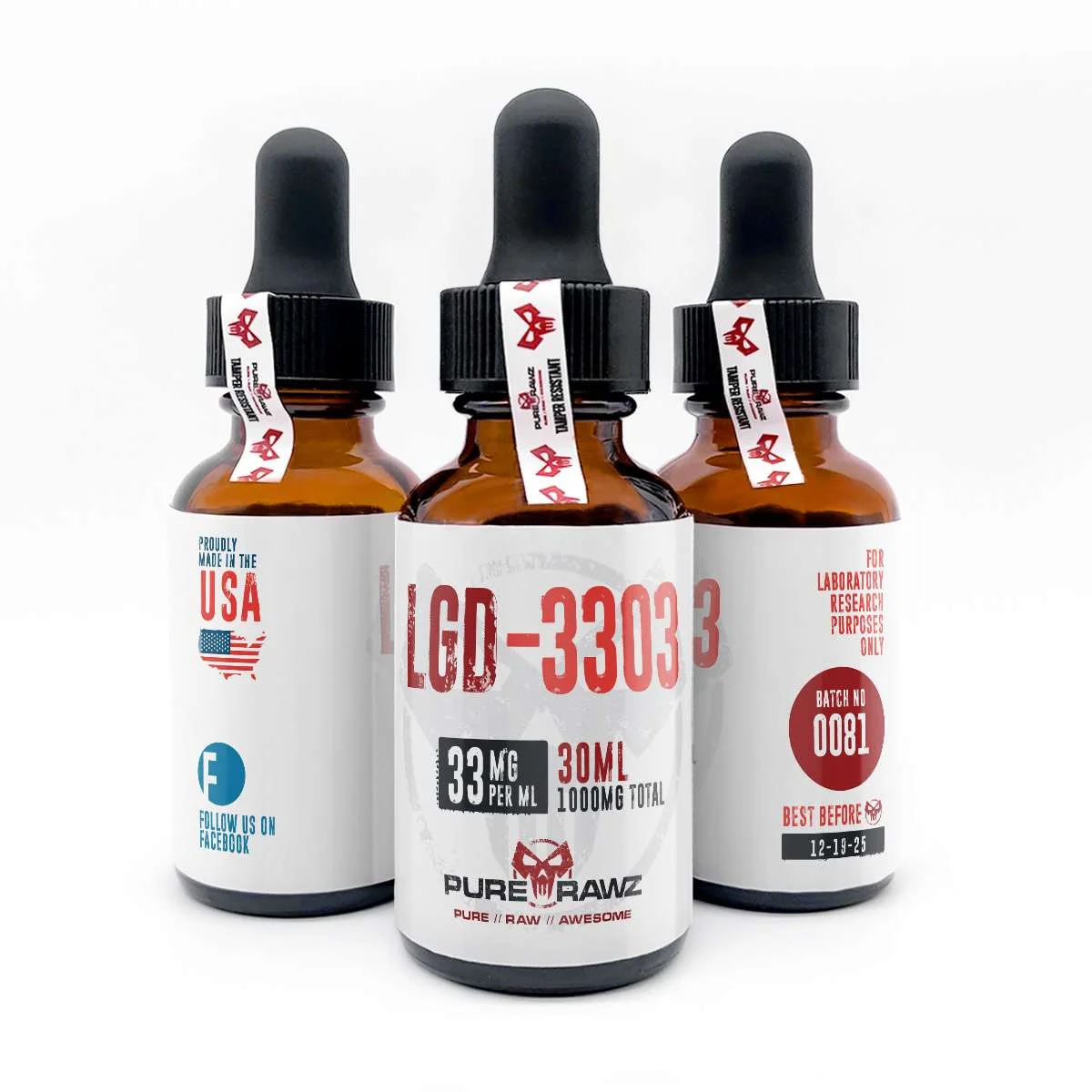
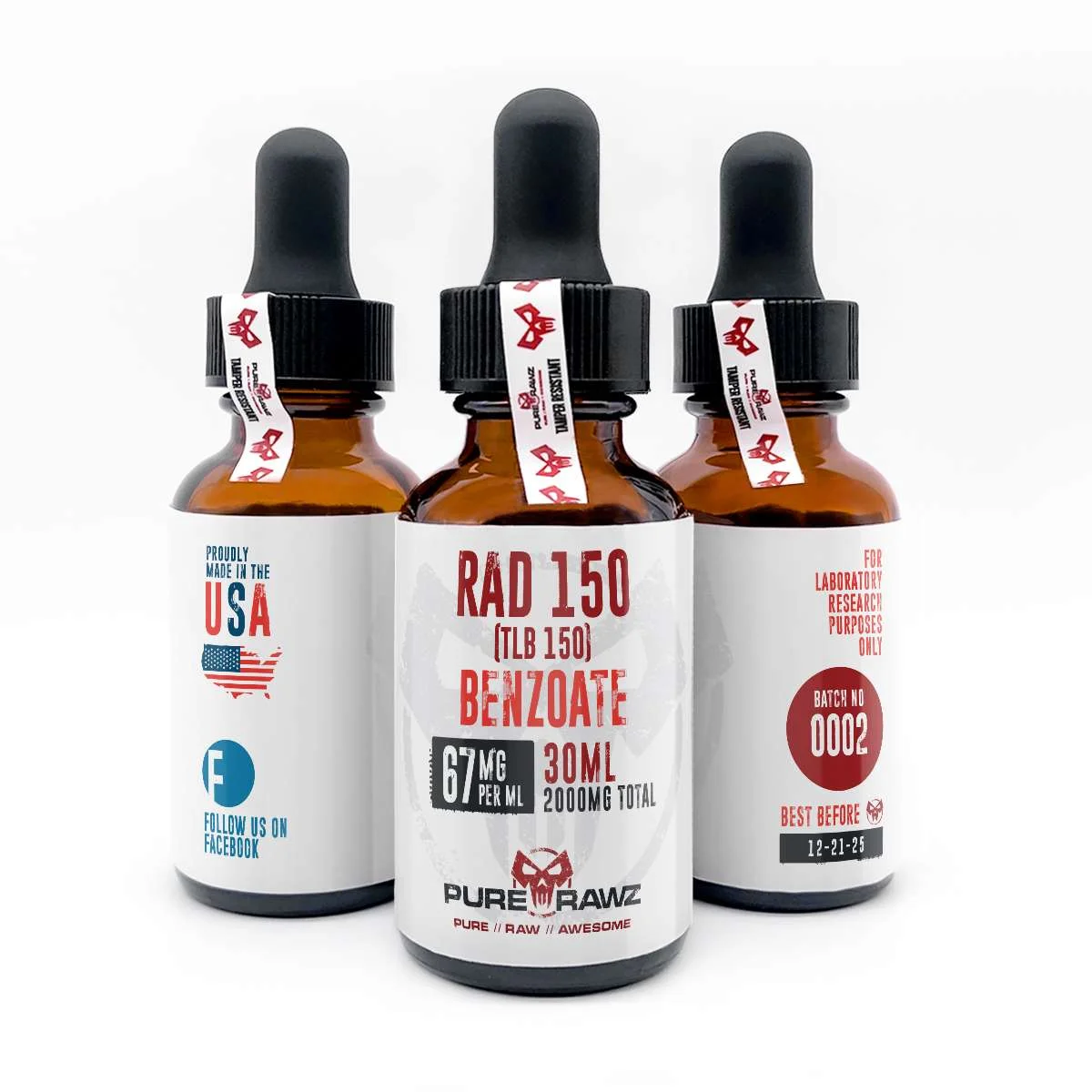
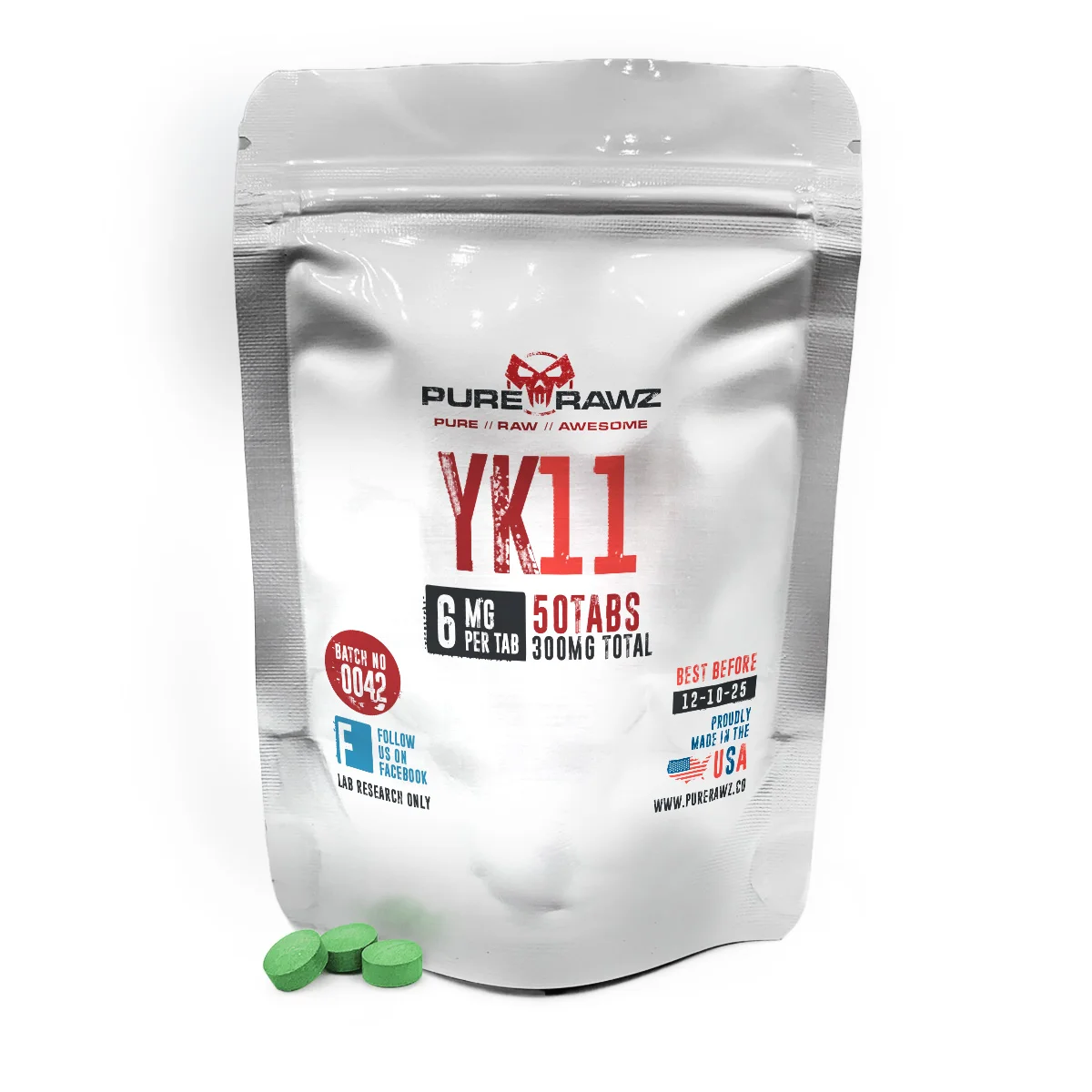
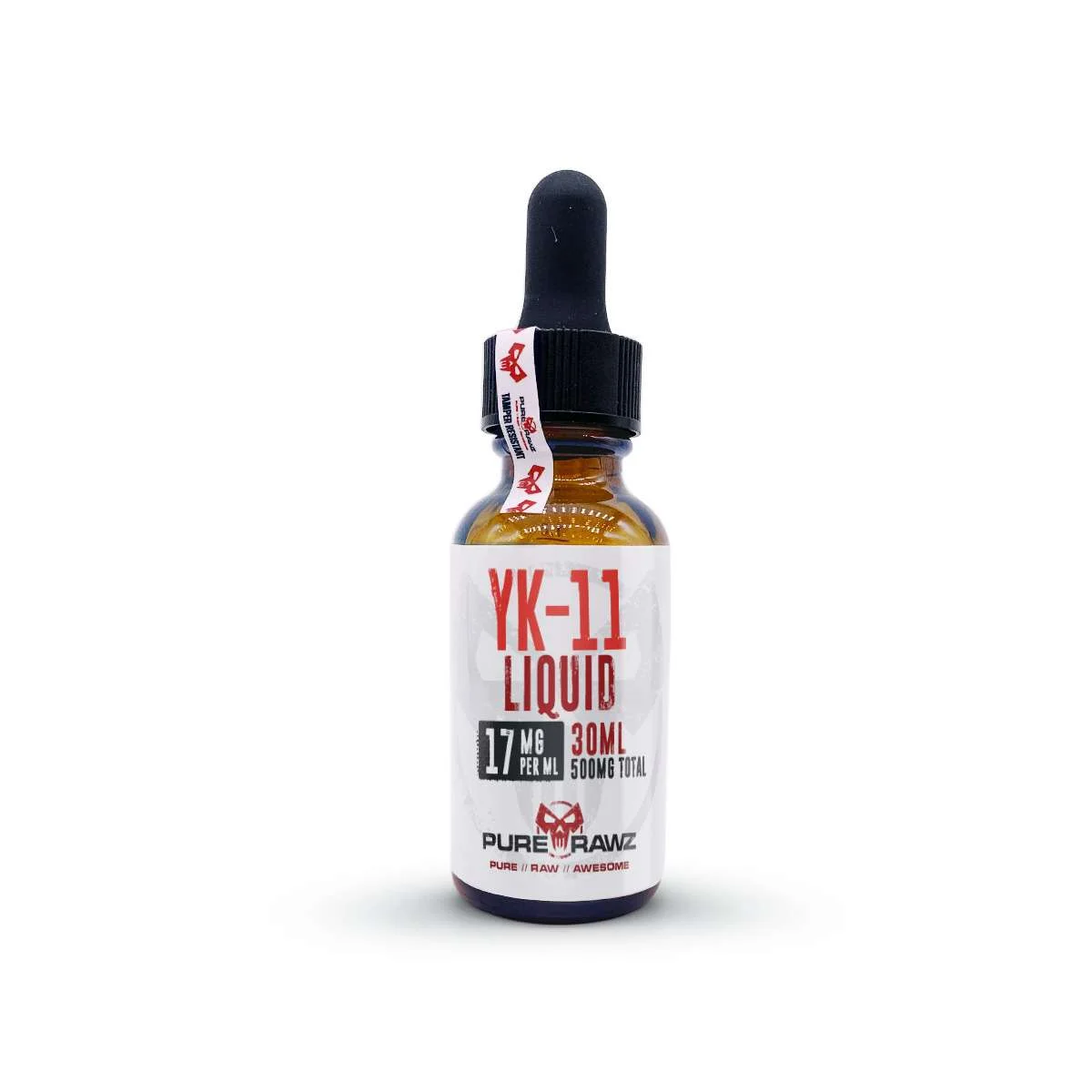
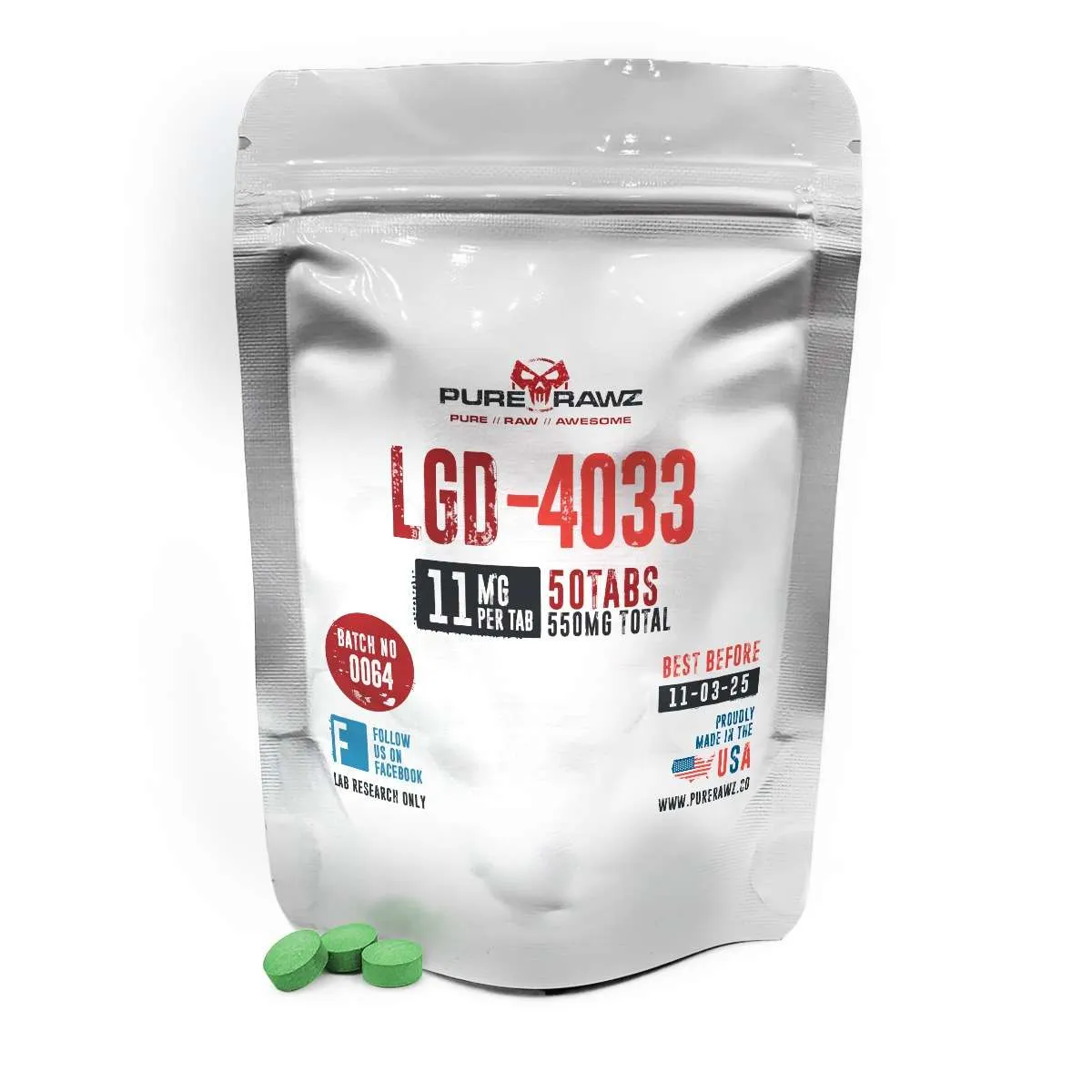
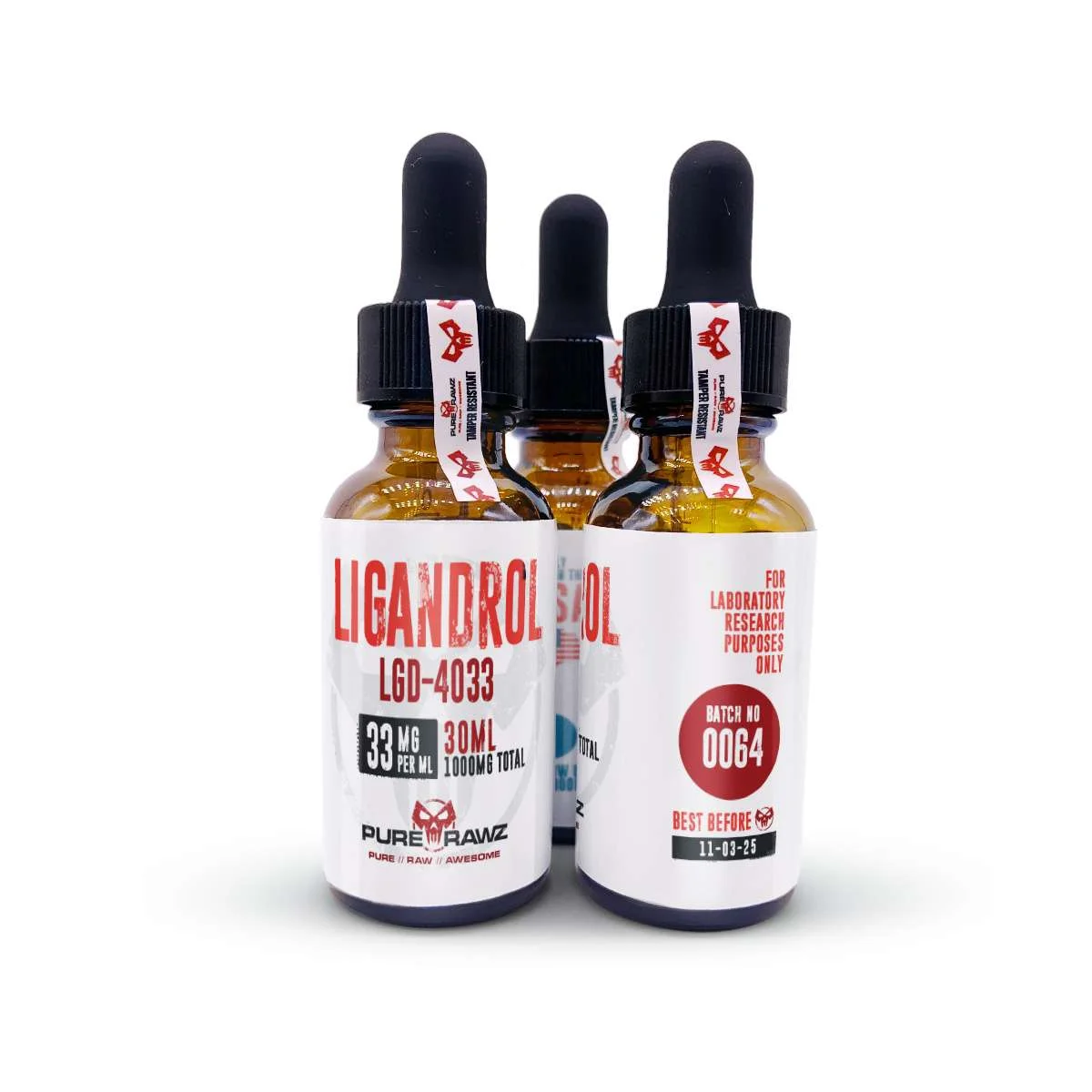
Researchers studying androgen receptor selectivity may also wish to reference RAD-150 (TLB-150), Ligandrol (LGD-4033), and YK-11 (Myostine), each of which is examined within overlapping receptor-selectivity frameworks. Explore the complete catalogue of research SARMs for additional reference materials and comparison compounds.
All SARMs listed are supplied strictly for in-vitro and laboratory research use only. They are not approved therapeutic goods and are not intended for human or veterinary use, diagnosis, treatment, or any performance or physique application. Researchers are responsible for ensuring full compliance with applicable Australian law and Therapeutic Goods Administration (TGA) regulations.
Frequently Asked Questions
Is RAD-140 (Testolone) approved for use in Australia?
No. RAD-140 is not an approved therapeutic good and is supplied strictly for laboratory research use only, not for human or veterinary use. Researchers must comply with Australian law and TGA regulations.
How does RAD-140 vs LGD-4033 compare in research?
Both are non-steroidal SARMs studied for androgen receptor selectivity and are frequently compared in structure-activity research examining binding affinity and tissue-selective transcriptional responses in laboratory models.
What quality testing is provided with RAD-140?
Each batch is verified by independent third-party HPLC and mass spectrometry, with a batch-specific Certificate of Analysis available for laboratory records.
How should RAD-140 be stored?
Store in a cool, dark place; refrigerate solutions and protect from heat and light to maintain stability during research use.
For laboratory and research use only. This product is not for human or veterinary consumption, and nothing on this page is medical advice. Researchers are responsible for compliance with all applicable Australian laws (including TGA regulations) and institutional guidelines.
| Form | Liquid, Tablets, Capsules, Powder, Injectable |
|---|---|
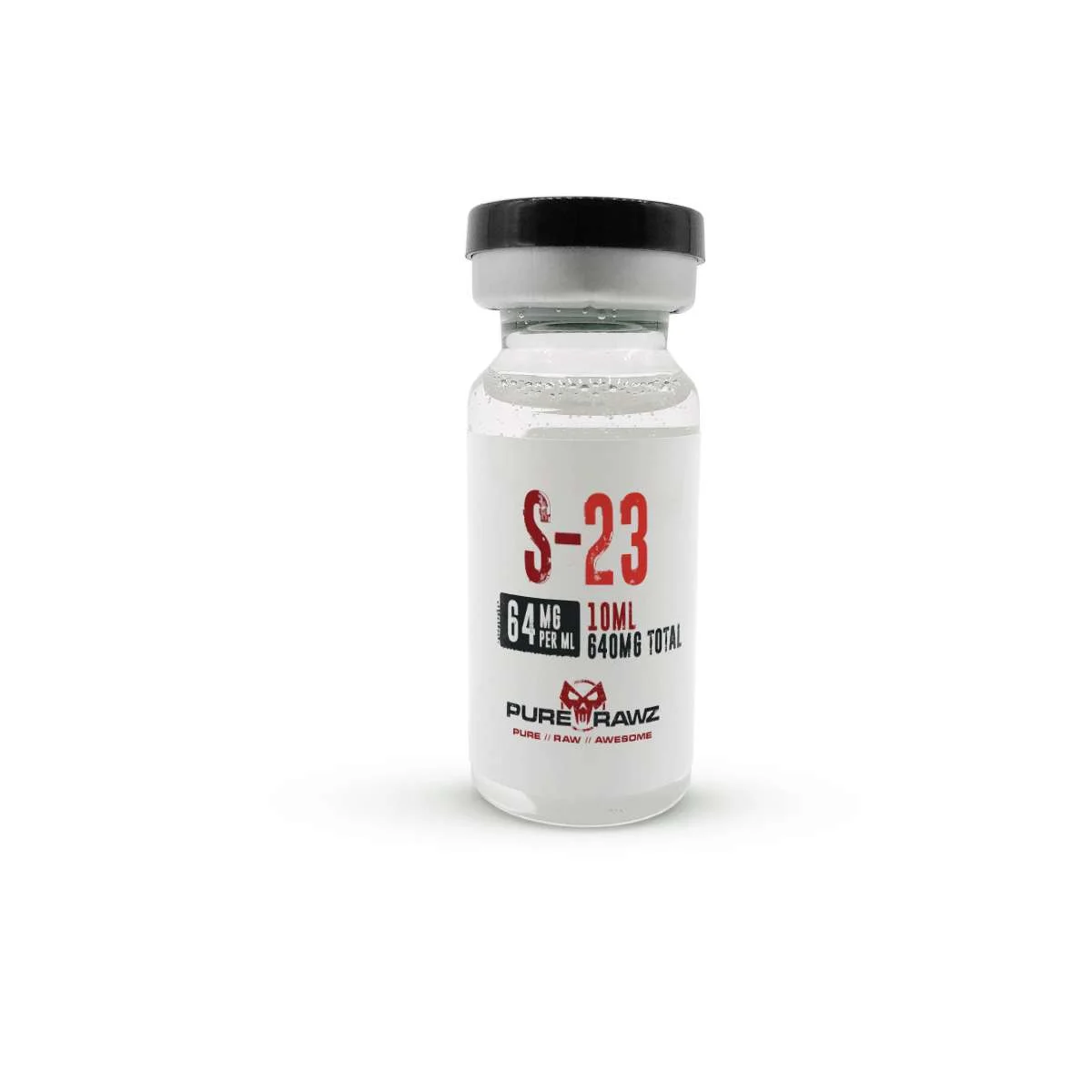
| Strength | 15ml/17mg per ml/250mg, 30ml/17mg per ml/500mg, 30ml/33mg per ml/1000mg, 30ml/67mg per ml/2000mg, 20mg/27ct/540mg, 20mg/54ct/1080mg, 1g, 20mg/60ct/1.2g, 10ml/64mg per ml/640mg |
Reviews
There are no reviews yet.